
Articles
The Secret Life of Plant Organs:
Roots, Stems, Leaves, Flowers, Fruits, and Seeds
Author: Fidelia Sihombing | Published: October 30, 2025

Have you ever walked past plants and truly observed them?
At first glance, they may seem simple, green leaves, a stem, perhaps a flower swaying in the breeze. Yet behind this simplicity lies a remarkable design. Each plant is a living machine, and its survival depends on a set of specialized organs. Roots, stems, leaves, flowers, and seeds all play distinct yet interconnected roles, ensuring that plants can grow, reproduce, and adapt to the challenges of their environment.
Let’s explore the secret of these organs and learn why they matter to us.
Roots: The Hidden Foundation
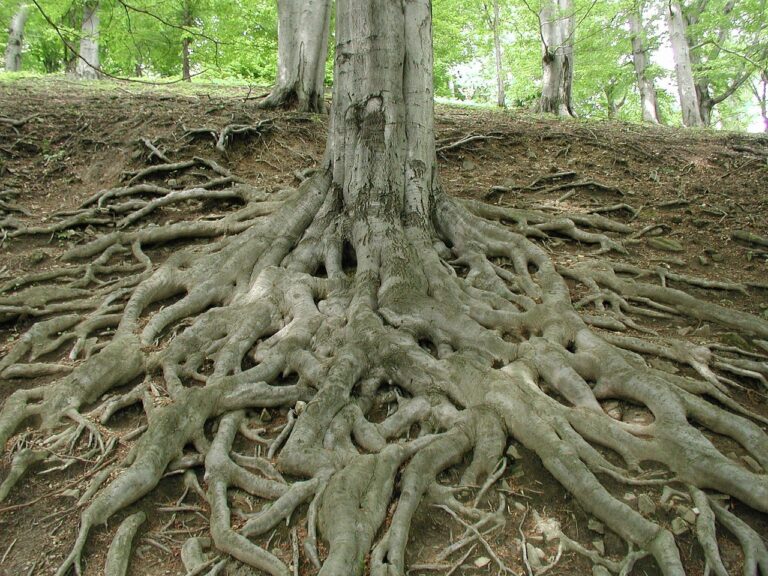
Roots are often out of sight, but they are never out of mind. Acting as the anchor, roots keep plants upright against wind, water, or gravity. They reach deep into the soil, absorbing water and essential minerals that sustain growth.
There are different kinds of roots: taproots like carrots and cassava grow deep and often serve as storage, while fibrous roots, seen in grasses and rice, spread like a net to hold soil together. Some plants, such as mangroves, even grow aerial roots called pneumatophores, which poke above waterlogged soils to help them breathe.
For humans, roots are more than hidden lifelines. They are food (carrots, sweet potatoes, ginger), medicine (ginseng), and even spices that shape global cuisines.
Stems: The Highways and Support Beams

If roots are the foundation, stems are the scaffolding and highways combined. They support leaves and flowers, lifting them toward sunlight, and act as transport channels. Inside every stem are two vital “pipes”: the xylem, which moves water upward, and the phloem, which distributes sugars made by the leaves.
Stems come in many forms. Woody stems in trees provide strength that can last centuries, while soft, herbaceous stems in crops like rice and wheat are built for fast growth. Climbers such as grapevines use stems to twine upward, while cactus stems double as water reservoirs. Even a potato, though often mistaken for a root, is in fact a swollen stem storing starch.
Humans rely heavily on stems—bamboo for construction, sugarcane for sweetness, timber for furniture, and paper.
Leaves: The Solar Panels of Life
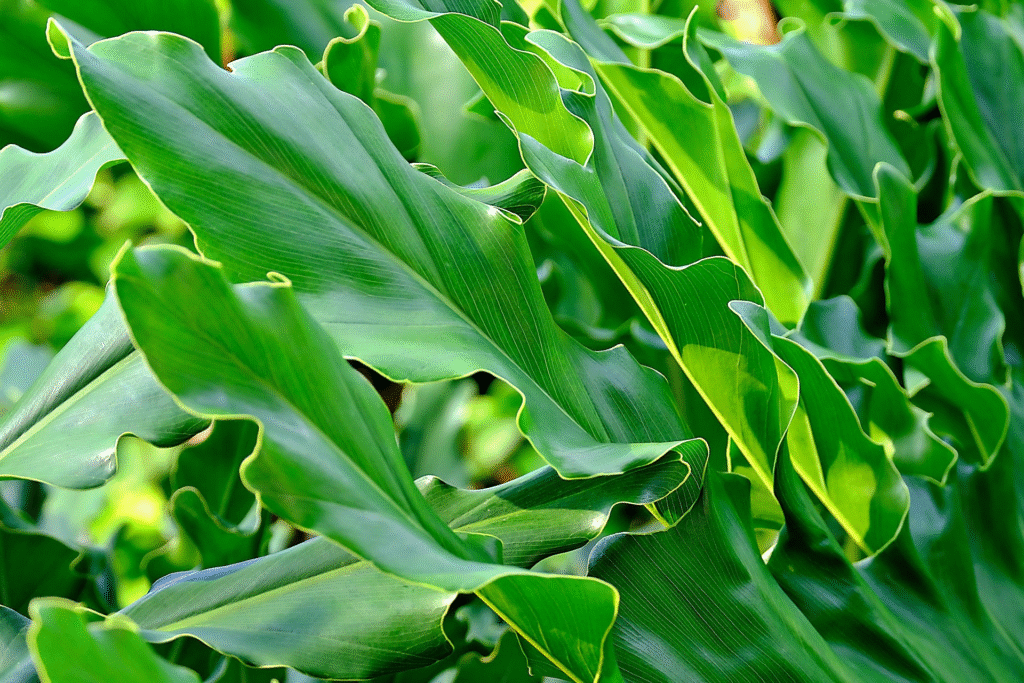
Leaves are perhaps the most iconic plant organ, the green “factories” where life’s most important chemical process takes place, the photosynthesis. With broad surfaces designed to capture light, leaves use chlorophyll to convert sunlight, carbon dioxide, and water into sugar, the energy source that fuels not only plants but nearly all life on Earth.
Tiny openings called stomata act like breathing pores, regulating gas exchange and water release. Through a process called transpiration, leaves also help cool the plant and draw water upward from the roots.
Leaves have evolved in fascinating ways. Lotus leaves repel water with microscopic waxy surfaces, pine needles conserve moisture in dry or cold conditions, and cactus leaves have transformed into spines for protection and shade. For humans, leaves are nourishment and culture: we drink tea from leaves, eat spinach and lettuce, and use banana leaves as natural food wrappers.
Flowers: Nature’s Reproductive Marvels
Flowers are more than just beautiful ornaments; they are the reproductive engines of plants. Their colors, scents, and shapes are devised to interest pollinators such as bees, birds, and bats, or to harness the wind for pollen transfer.
Inside every flower are stamens (the male part, producing pollen) and carpels (the female part, where seeds form). Some flowers are specialists: orchids have intricate shapes to match a single pollinator, while the sunflower is actually a cluster of tiny flowers working together to produce hundreds of seeds.
For humans, flowers are sources of food (broccoli, artichokes), spices (clove, saffron), oils (sunflower, sesame), and cultural symbols—from wedding garlands to funeral offerings.

Fruits: Nature’s Protective Cradles
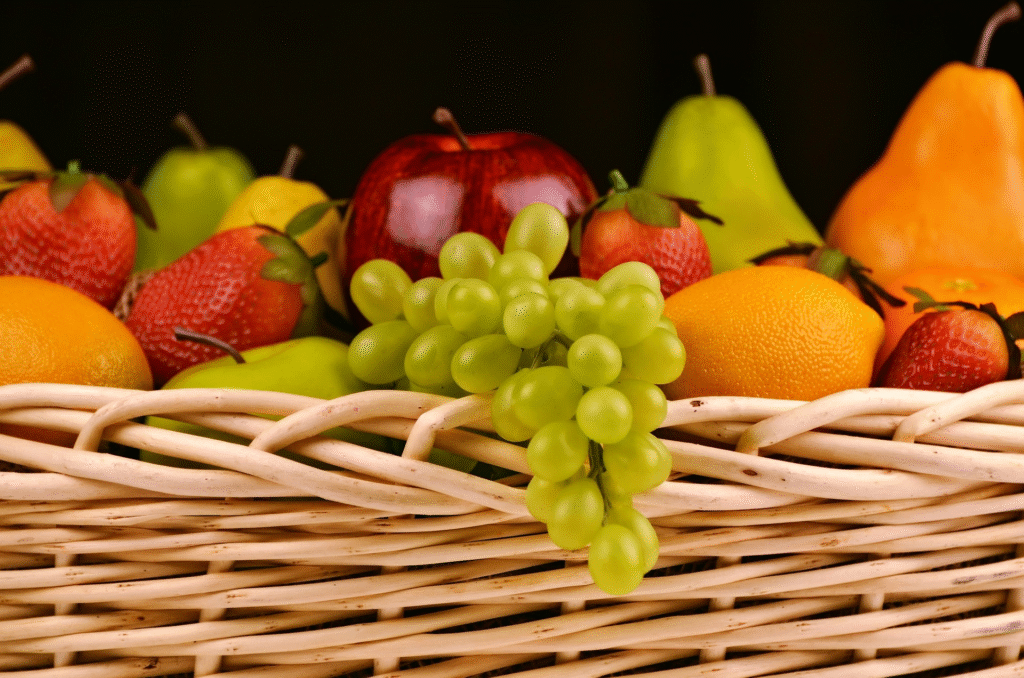
Fruits are more than nature’s sweetness, they are ingenious designs for protection and dispersal. After flower pollination, the ovary transforms into a fruit, enclosing the developing seeds in a protective layer. This transformation ensures that the next generation of plants has the best chance of survival.
Fruits come in countless shapes, colors, and textures. Some, like apples and mangoes, are fleshy and inviting—tempting animals (including us!) to eat them and carry their seeds far and wide. Others, like nuts, pods, and grains, have tough shells or dry casings that crack open when mature, releasing the seeds inside. Even the airy fluff of dandelions or the wings of maples are technically fruit adaptations that help seeds travel through air.
Fruits are essential for humans as they provide important vitamins, fiber, and hydration. Fruits have shaped our agriculture, trade, and cuisine for centuries, from orange plantations to apple orchards, and to markets brimming with melons, berries, and tropical delights. Every bite of fruit tells a story of evolution—a story of how plants learned to move, spread, and survive through collaboration with the world around them.
Seeds: The Next Generation in a Capsule
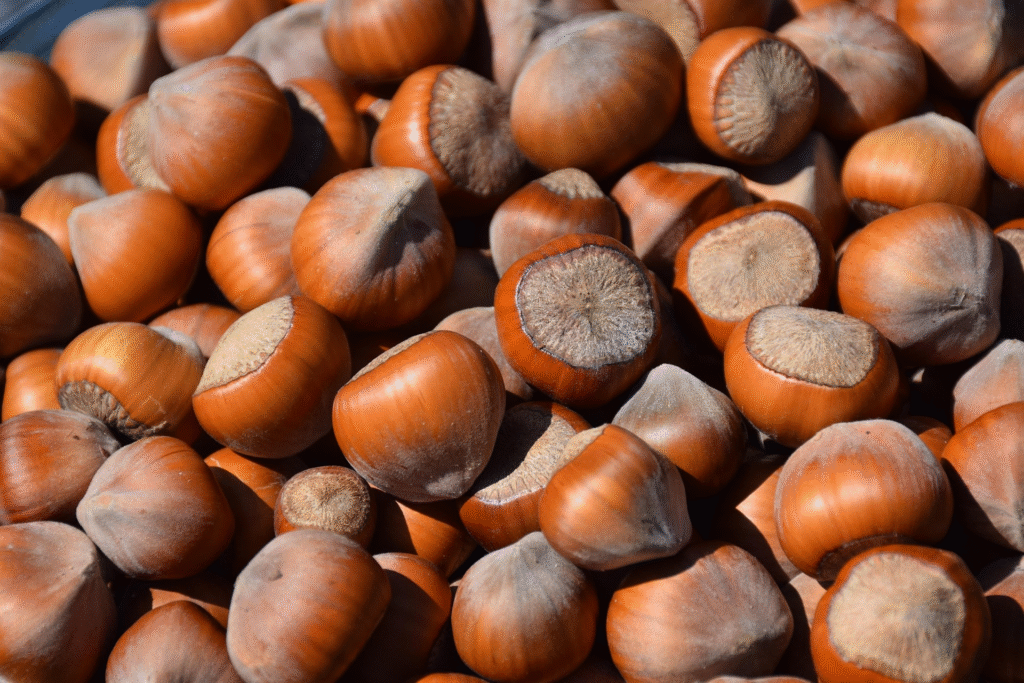
Seeds are tiny packages of potential, carrying within them the embryo of the next plant generation. Protected by a coat and supplied with food reserves, they are equipped to survive until conditions are right for germination.
Seeds use many clever dispersal strategies: dandelion seeds float on the wind, coconuts ride ocean currents, and berries lure animals to eat them and spread their contents far and wide. Some seeds can remain dormant for years or even centuries, waiting patiently until water, warmth, and light awaken them.
For humans, seeds are the foundation of agriculture and civilization itself. Rice, wheat, corn, and soybeans are the staple food for billions. Nuts and beans enrich our diets, and seed oils fuel industries worldwide.
Conclusion: Why Plant Organs Matter to Us
Every organ of a plant, from the hidden roots to the rising flowers, is part of a survival strategy refined over millions of years. Together, they ensure that plants can thrive, adapt, and reproduce across diverse landscapes—from deserts to rainforests.
For us, these organs are more than biology. They are the food we eat, the air we breathe, the clothes we wear, the medicines we take, and the homes we live in. Recognizing the secret life of plant organs helps us appreciate not just the beauty of plants, but the depth of our dependence on them.
At PEFORDEI Research, we study these connections—how plants grow, adapt, and interact with their environments. By revealing the hidden lives of roots, stems, leaves, flowers, and seeds, and their functions, we aim to support food security, environmental sustainability, and human well-being.
Also, next time you see a flower, bite into a fruit, or rest beneath a tree, remember: you are experiencing the incredible story of plant organs at work.

Reference
Taiz, L. Zeiger, E., Moller, I.M. and Murphy, A. (2015) Plant Physiology and Development. 6th Edition, Sinauer Associates, Sunderland, CT.
Thomas, B., Murphy, D. J., and Murray, B. G. (Eds.). (2017). Encyclopedia of Applied Plant Sciences (Vol. 1). Elsevier.
Let’s Advance Plant Science Together
From research collaborations to training and consultation, we’re here to connect knowledge with impact. Join us in exploring the hidden power of plants for health and sustainability..